

The Drug That Outran Its Own Test: EPO, the Festina Scandal, and the Long War on Doping
How a lifesaving anemia drug became cycling's perfect cheat, and how catching it forced anti-doping science to stop hunting molecules and start tracking the athlete's own biology.

BeiGene: The Real Price of a Chinese Biotech Going Global
For fifteen years, BeiGene refused the safe path every other Chinese biotech took — and tried to build a truly global drug company from China. It won. Then, in its year of triumph, it changed its name.
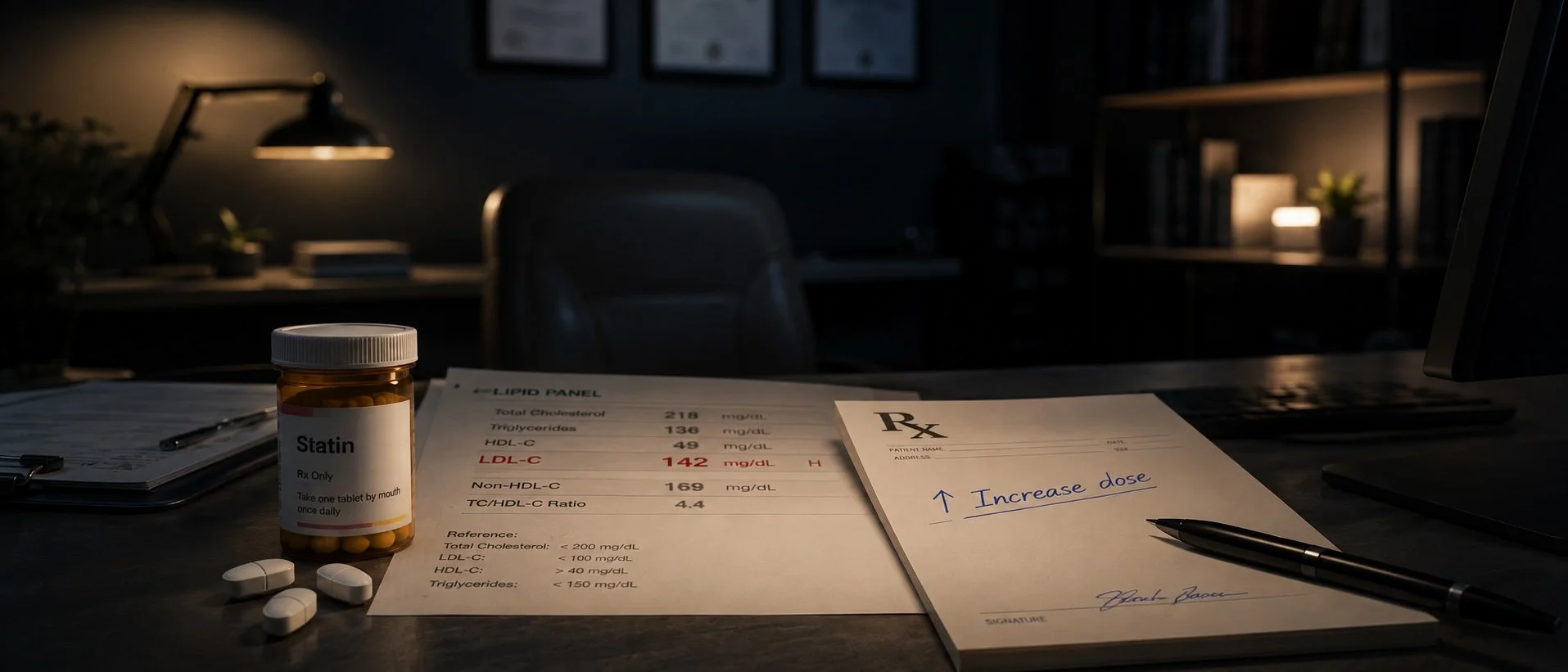
Why Your Statin Stops Working: The Hidden Brake Inside Your Own Body — and the First Oral PCSK9 Pill
Double your statin dose and your cholesterol barely moves — because your own body fights back, cranking up a protein called PCSK9. Here's how that hidden "brake" works, and why the first oral PCSK9 pill matters.

A 6-Year-Old Girl, the World's First In-Brain Gene-Editing Trial, and a Top Nature Paper: A Tragedy That Shouldn't Be Forgotten
A 6-year-old girl with a non-fatal genetic condition became the world's first patient to receive in-brain base editing. Seven days later she died — and her death stayed hidden for over a year, even as the research appeared in Nature. Here's what happened, from the primary sources.

No Villains, Only Incentives: Why U.S. Drug Prices Keep Rising Despite Reform — The Truth About Humira, PBMs, and Rebates
How Humira, PBMs, and the rebate game keep U.S. drug prices rising even as reforms roll out — a story with no villains, only incentives.

China's Biotech Goes Global — Signing Is the Easy Part: Seven Hidden Landmines in a $2 Billion Cross-Border IP Deal
Paying $2B for a China-origin drug doesn't mean you cleanly own it. Seven IP and regulatory landmines that can shrink — or kill — a cross-border biotech deal.

Nearly 90% Protein Knockdown — and It Still Lost: The Real Deciding Factor Behind Ionis, Alnylam, and ATTR Cardiomyopathy
Nearly 90% Protein Knockdown — and It Still Lost: The Real Deciding Factor Behind Ionis, Alnylam, and ATTR Cardiomyopathy
The Revolving Door: Why America Can't Cut China Out of Drug Discovery
In February 2026, WuXi AppTec quietly appeared on a U.S. list of "Chinese military companies"—then vanished within the hour, no explanation given. Four months later, it was back for good. This third episode of Pharma Talk unpacks how a contract research giant that does R&D for drugmakers worldwide ended up branded a national-security threat, and why the U.S. campaign to sever it keeps failing.
We trace the economics that make China indispensable to global drug development, explain how the BIOSECURE Act quietly mutated from a congressional blacklist into a Pentagon "revolving door" list, and show why—despite the label—WuXi's U.S. order book was already at record highs before the hand ever fell. The episode ends in a D.C. courtroom, where the very carelessness of that on-again, off-again listing became WuXi's sharpest argument against it. The bigger question underneath all three episodes: when the logic of efficiency collides with political will, who wins?

The Amplifier: How COVID Compressed a Decade of US-China Biotech Realignment Into Three Years
How did COVID reshape US-China biotech dealmaking without creating a single new incentive? This episode traces the capital rollercoaster and the Moderna myth that turned China's biotech sector from platform-dreamers into the world's most efficient discovery engine — in just three years.
The Butterfly Effect: How Two Domestic Policies Redrew the Global Biotech Map
Chinese volume-based procurement and America's drug-pricing reforms were never meant to work together — yet these two unrelated domestic policies quietly reshaped the global pharmaceutical value chain. This episode traces how China became the world's discovery engine while the US kept development and commercialization, driving a surge in licensing deals that reached a record $137.7 billion in 2025.