《制藥漫談》Pharma Talk
A Mandarin-language biotech & pharma science communication channel.
Since mid-2025, I've published 80+ in-depth episodes decoding the pharmaceutical industry — for biotech professionals and curious audiences across the Chinese-speaking world.
Rather than one-off explainers, the channel builds a systematic picture of the industry: the science behind major drug classes, the century-long histories of the companies that shaped it, how regulation and policy actually work, and how AI and the US–China dynamic are reshaping what comes next. I draw on my own experience across startups, multinational pharma, and venture-backed companies to combine industry-report-level depth with accessible storytelling.
The channel has grown to nearly 1,000 subscribers, including a paid tier. Videos are in Mandarin; episode write-ups (below) are available in text form.
What the channel covers
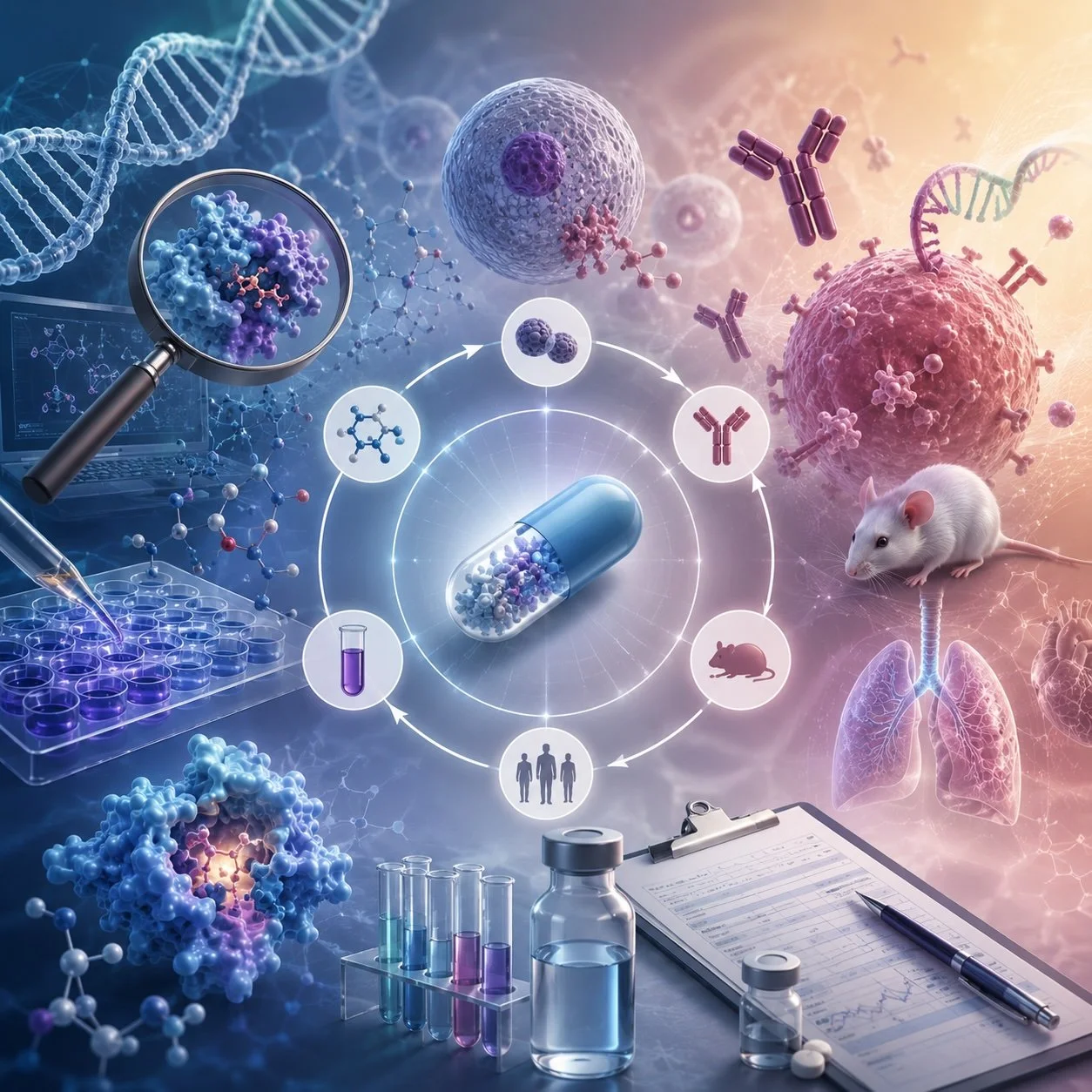
The science and development stories behind major drug classes — GLP-1 and metabolic drugs, KRAS inhibitors, mRNA, statins, RNA therapeutics, HER2, and more.
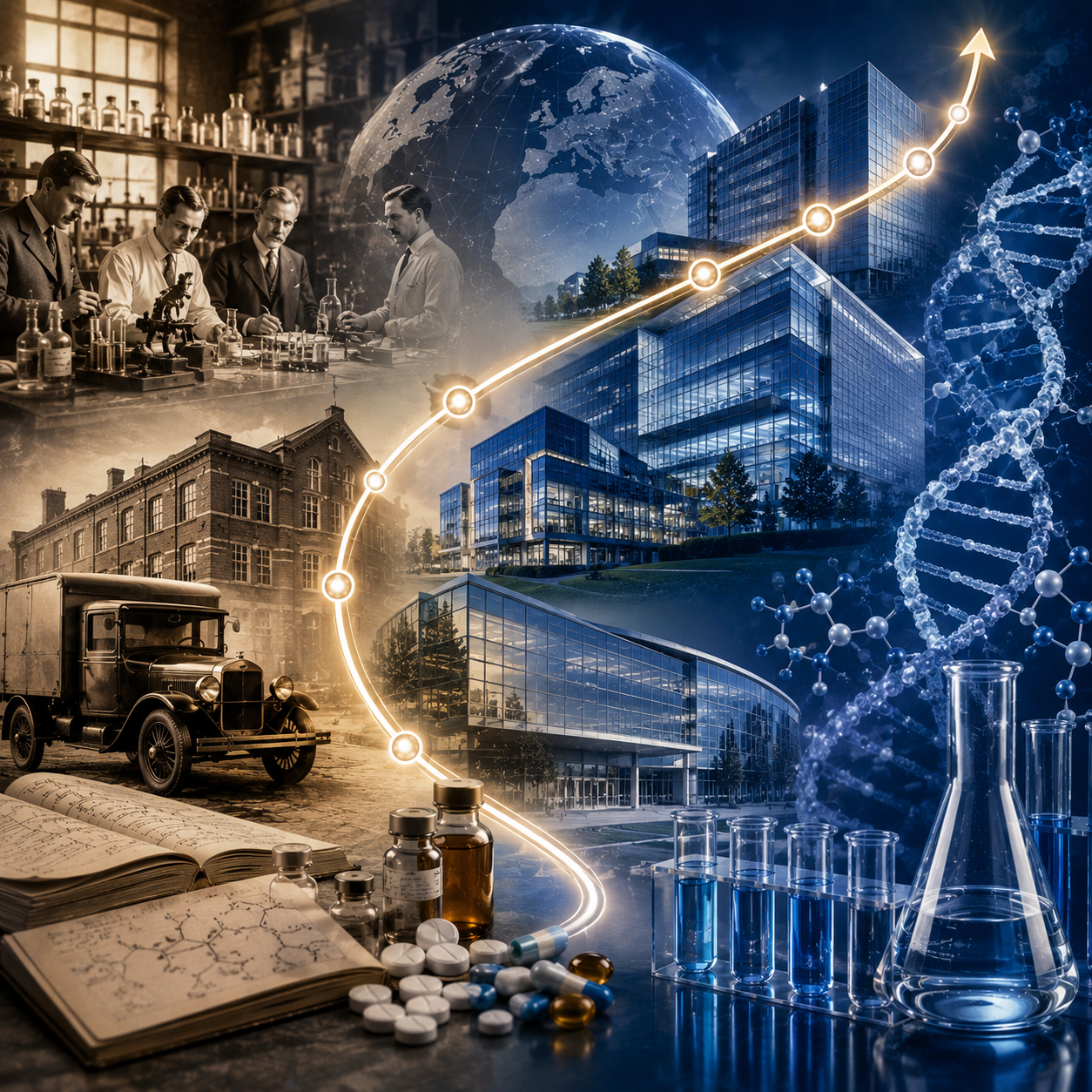
Century-spanning profiles of the companies that built the industry — Pfizer, Novartis, Novo Nordisk, Roche, Eli Lilly, Sarepta, and others.
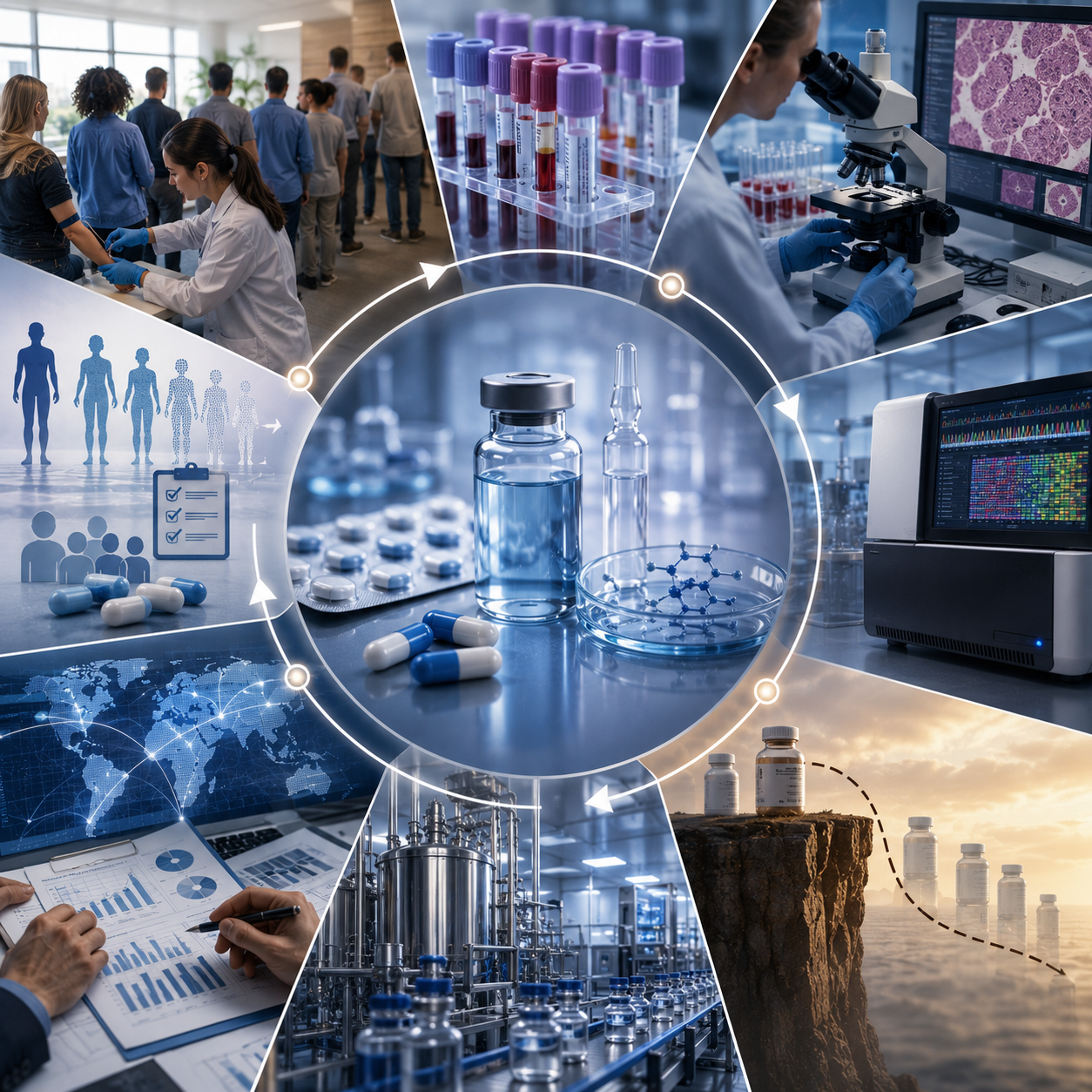
How the industry actually operates — clinical sample cycles, pathology labs, NGS technology, patent cliffs, and drug lifecycle management.
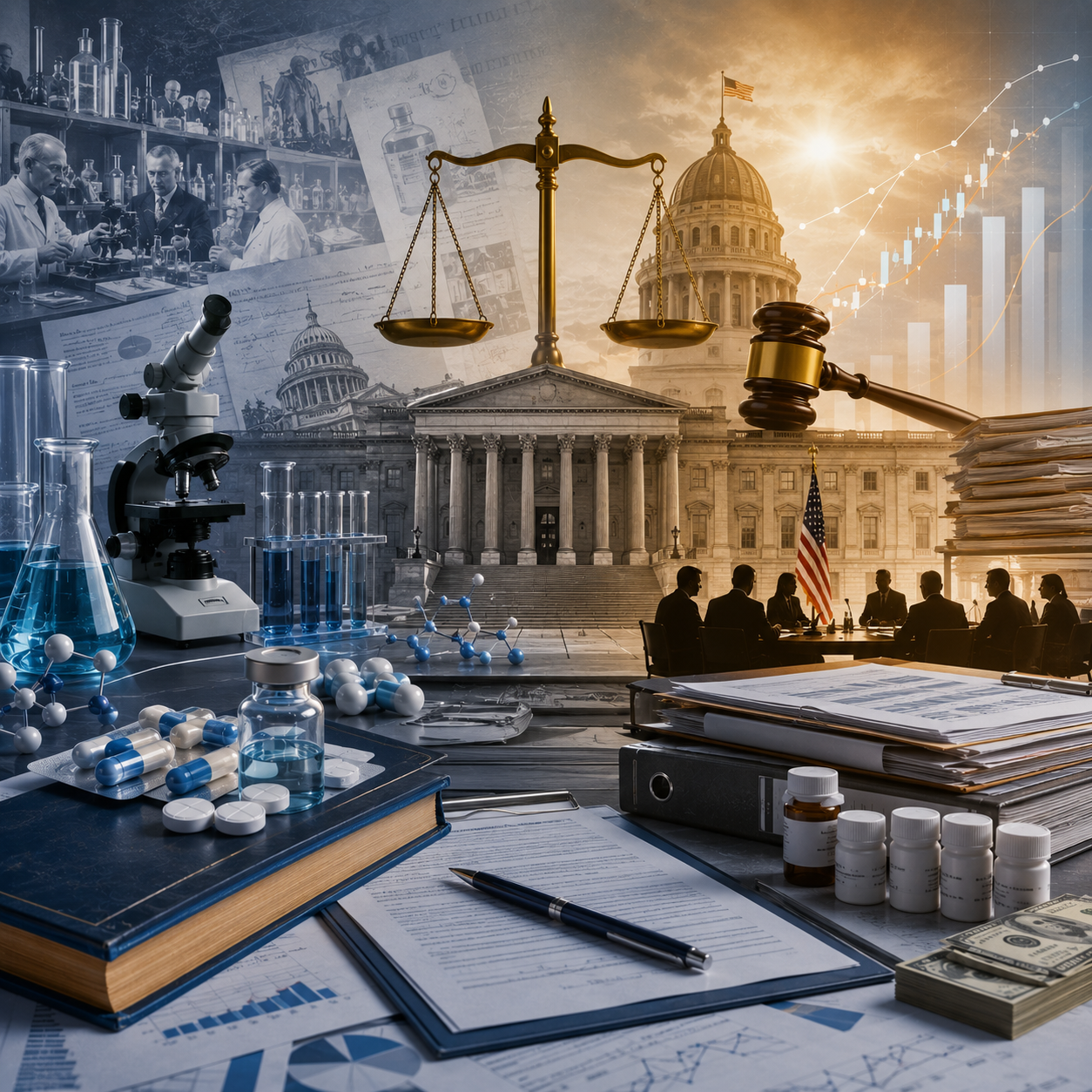
The rules that shape the field — a century of FDA evolution, Bayesian approaches, drug pricing, TrumpRX, and legislative battles.
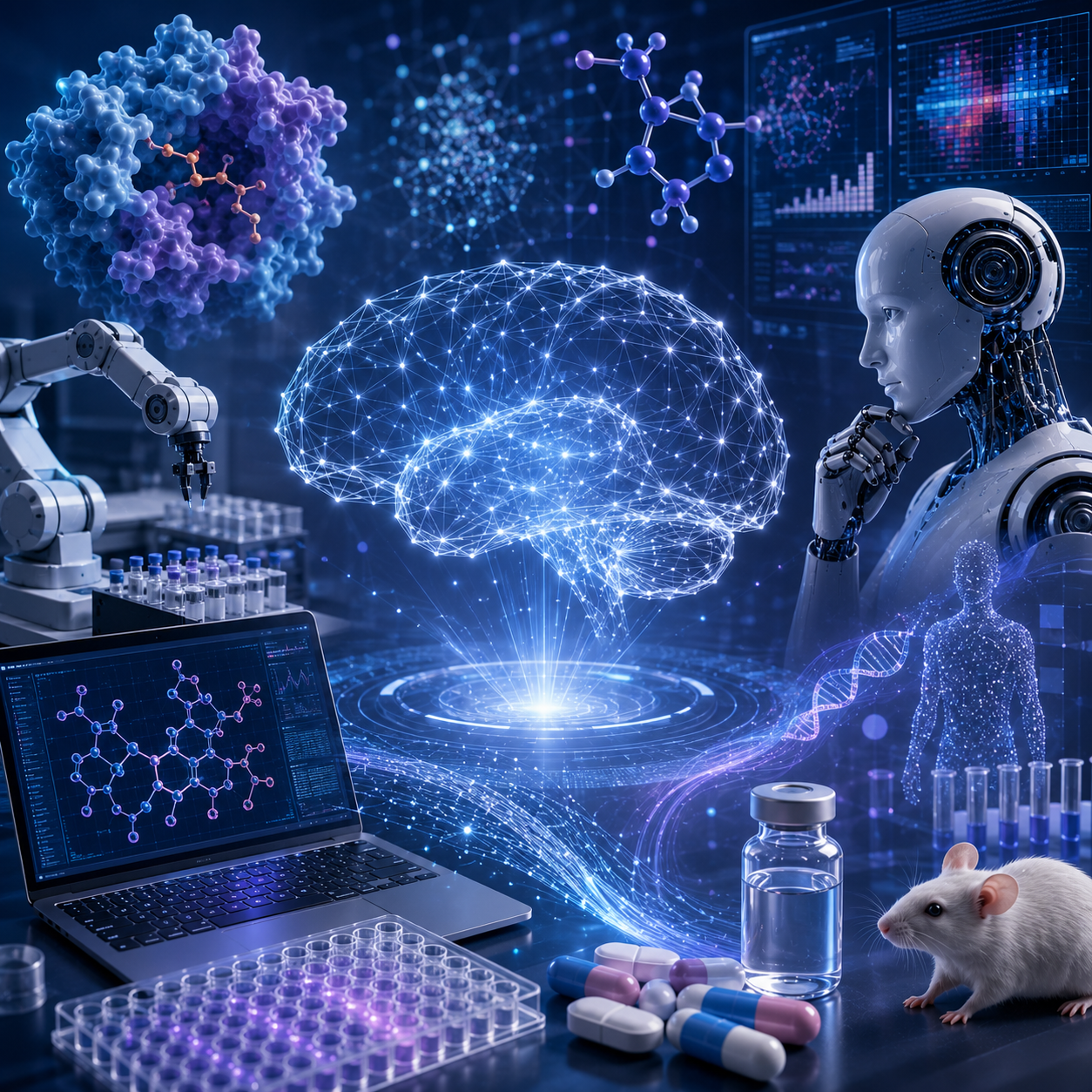
How machine learning is reshaping discovery — AI's competitive moat, Prescient Design, DeepMind, and the industry's AI worldview.
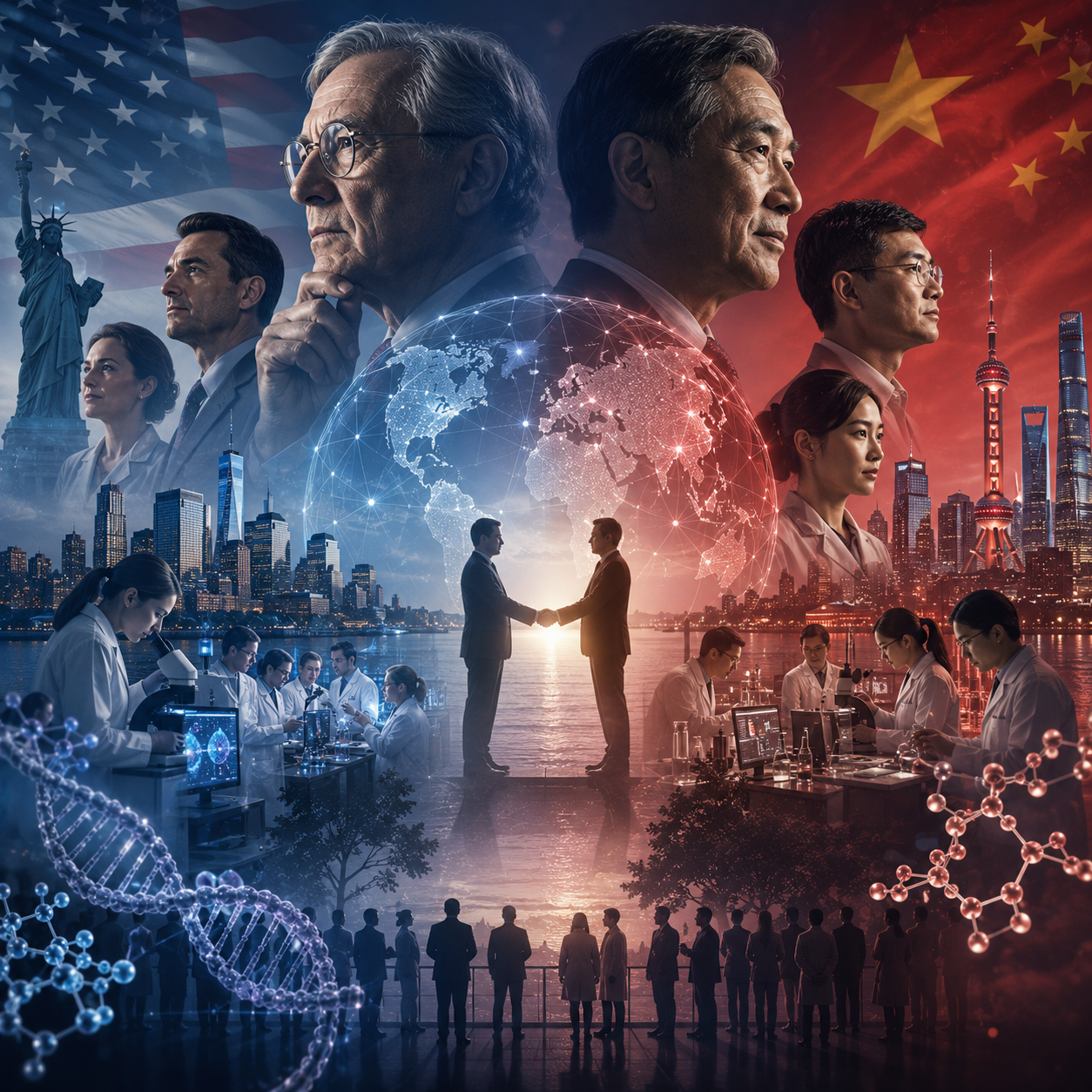
The people and cross-border dynamics driving the field — Flagship, the US–China competition thesis, and the stories behind key figures.
Selected episodes
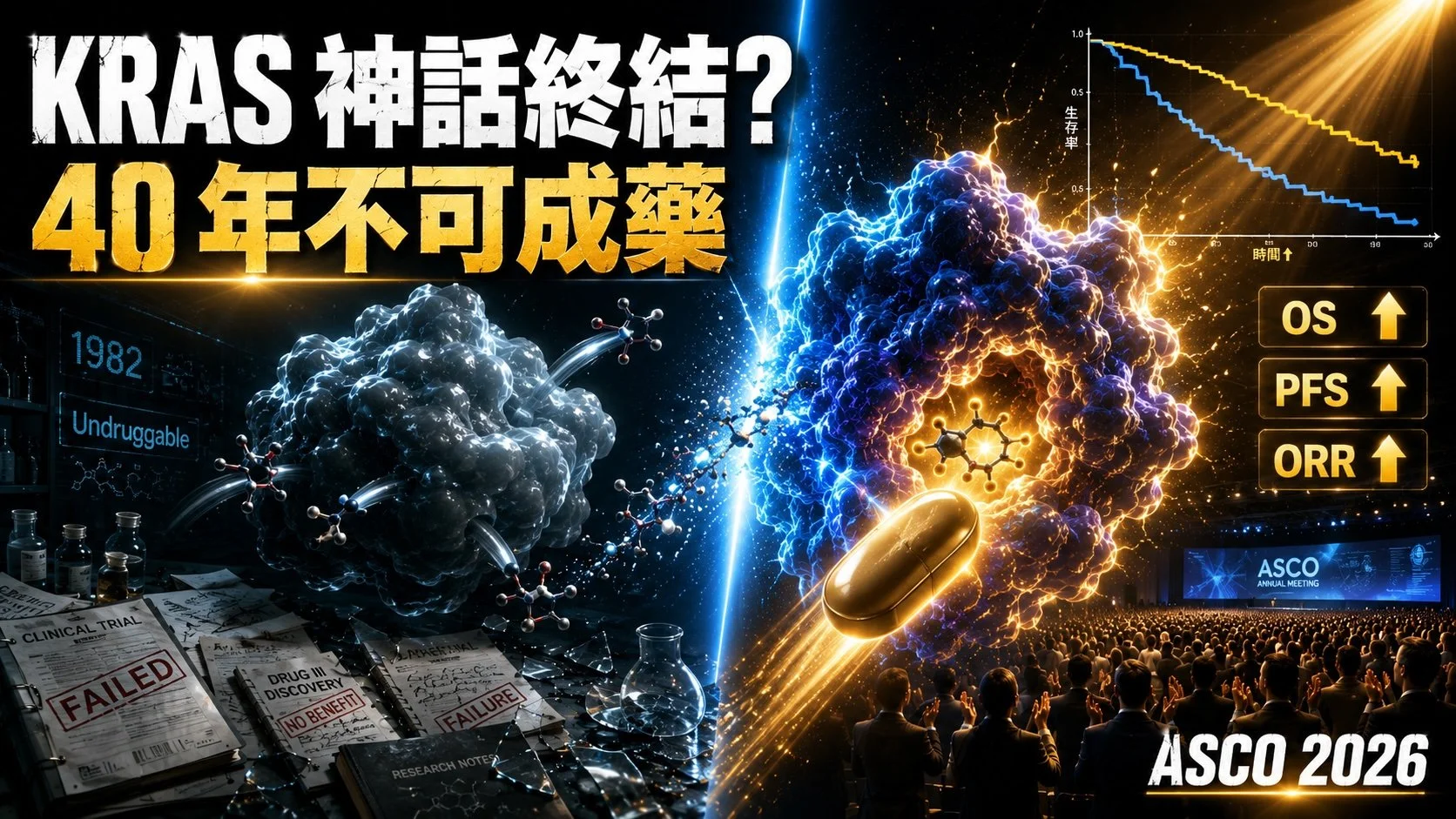
KRAS: the four-decade endgame against an "undruggable" target
At ASCO 2026, a room of oncologists gave a standing ovation lasting 42 seconds — for a pancreatic cancer trial that cut the risk of death by 60%. This episode traces the four-decade war on KRAS, from its 1982 discovery and the "undruggable" verdict that defeated Pfizer, Merck, and Roche, to Amgen's first G12C inhibitor and finally Revolution Medicines' contrarian bet: a tri-complex RAS(ON) inhibitor (daraxonrasib) that targets multiple mutations at once. It's the story of how a 40-year myth finally ended — and why that specific ovation mattered. (More detail…)
→ Watch video (in Mandarin)
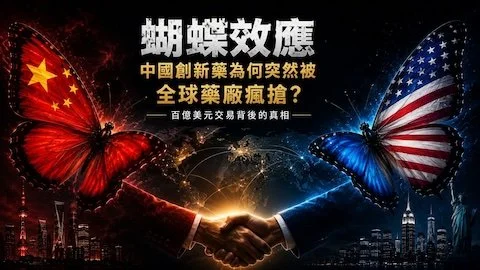
The butterfly effect: why global pharma is suddenly racing to buy Chinese drugs
Chinese biotechs are licensing drug assets to global pharma at record pace — nearly ten times the 2021 level in just four years. This episode traces the surge to an accidental collision of two inward-facing policies, China's procurement reform and America's IRA-plus-patent-cliff squeeze, that together redrew the global division of drug R&D without anyone designing it. A clear-eyed take on how discovery is shifting to China while development and commercialization stay in the US. (More detail…)
→ Watch video (in Mandarin)
Lilly, J&J, and Nvidia: Jensen Huang's healthcare chessboard
At Nvidia's GTC, pharma's two largest companies both partnered with Nvidia — but took opposite AI paths: Lilly building the industry's most powerful AI supercomputer to compress drug discovery, while J&J focused on surgical robotics and digital twins. This episode reads the two deals as a window into Nvidia's real strategy — moving from chip vendor to the end-to-end AI infrastructure layer beneath life sciences — while staying clear-eyed about the limits: regulation, explainability, and the gap between prediction and validation. (More detail…)
→ Watch video (in Mandarin)
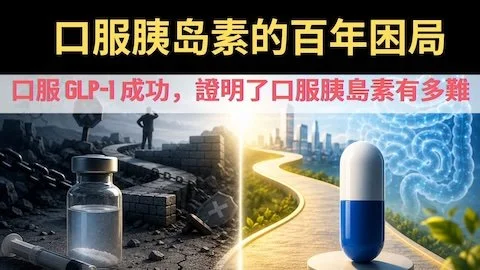
Why oral insulin failed for a century — while oral GLP-1 succeeded
An insulin pill has been pursued since 1922, yet insulin is still injected while oral GLP-1 (Rybelsus) reached the market. This episode explains why through pharmacology, not just chemistry: semaglutide's long half-life and wide safety margin tolerate erratic absorption, while insulin's narrow therapeutic window makes the same variability dangerous. A sharp case study in why drug delivery — not molecule discovery — often decides a drug's fate. (More detail…)
→ Watch video (in Mandarin)
Browse all episodes, with detailed write-ups and full transcripts (in Mandarin) — including accessible text versions for readers who prefer or need them.